Best Office Furniture Types for Productivity

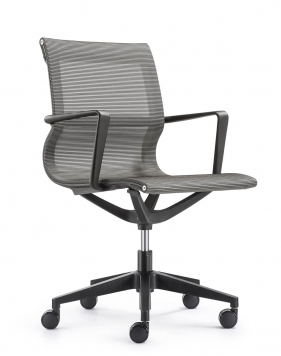
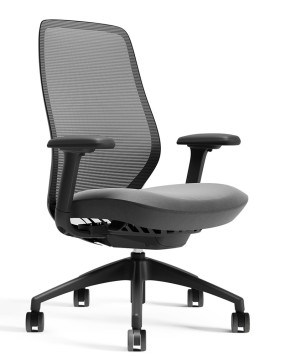
Ergonomic Office Chairs
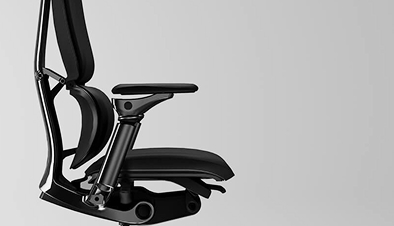
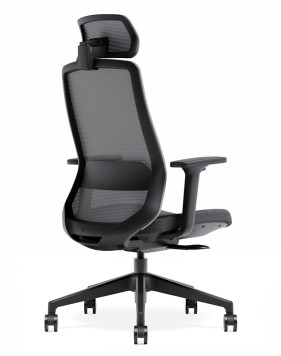
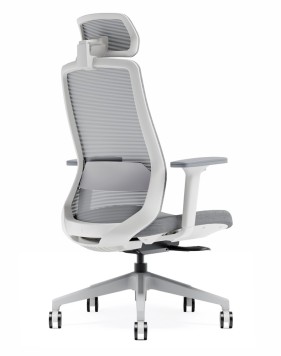
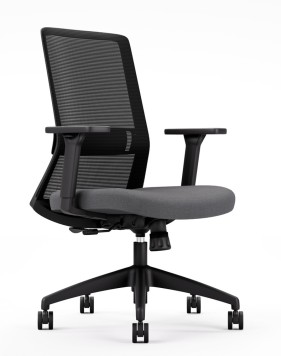
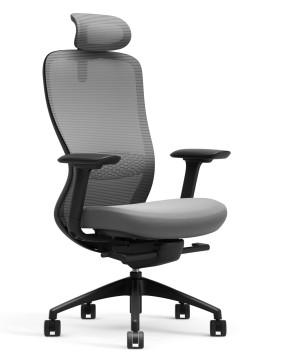
Designed for long working hours, it provides essential support to the spine and lumbar region, helping reduce back and neck strain while improving overall sitting comfort and endurance.

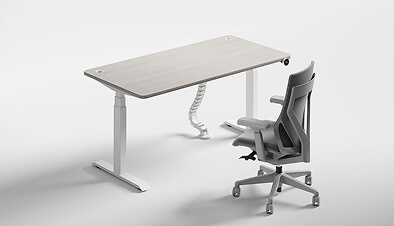
Sit-Stand Desks
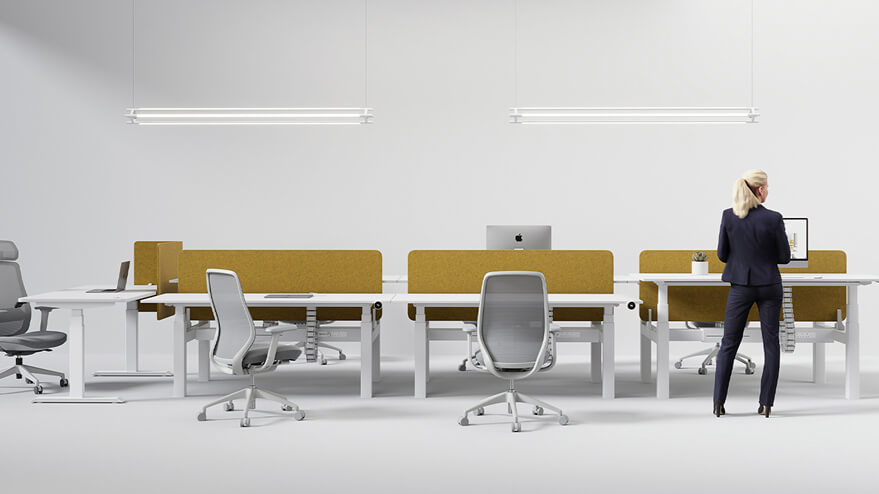
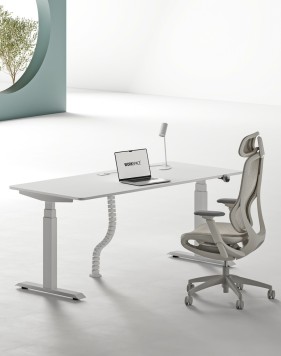
Promote movement and flexibility by allowing users to alternate between sitting and standing, improving circulation, reducing fatigue, and enhancing focus throughout the day.

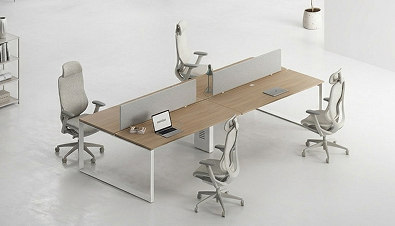
Modular Workstations
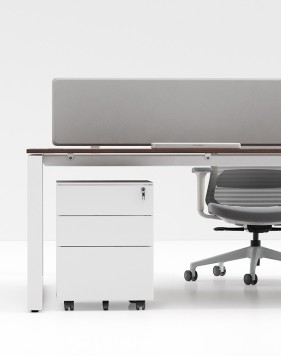
Offer scalable solutions for evolving teams, enabling quick layout reconfiguration, easy adaptation to team size changes, and optimized use of office space.

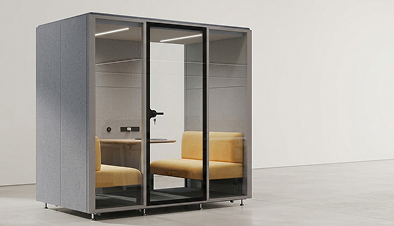
Acoustic Furniture
Minimizes workplace distractions through sound-absorbing solutions such as acoustic pods, privacy booths, and panels, creating quieter and more focused environments.

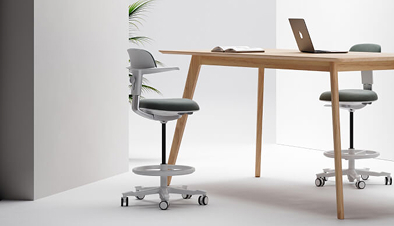
Collaborative Furniture
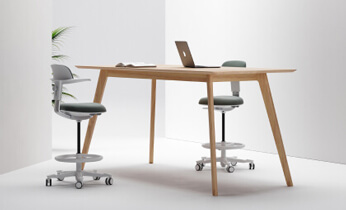
Designed to support teamwork and communication, collaborative furniture includes lounge seating, meeting pods, and shared tables that encourage interaction and productivity.

Smart Office Furniture
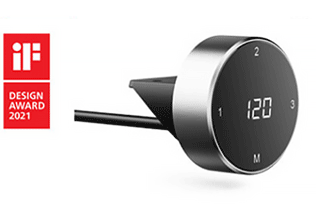
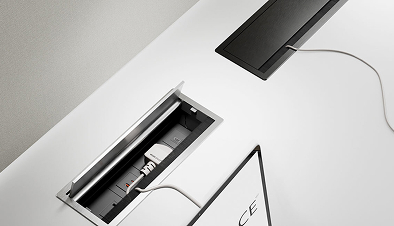
Enhances efficiency with integrated features like wireless charging, cable management, height controller, and app controlled adjustments for a seamless work experience.
Traditional Vs. Modern Office Furniture
Feature
Traditional Furniture
Modern Furniture
Ergonomics
Flexibility
Technology
Comfort
Productivity Impact
Limited
Fixed Layouts
None
Basic
Low
Advanced and adjustable
Modular and adaptable
Integrated smart features
High-performance comfort
High
Traditional Vs. Modern Office Furniture
Traditional Furniture
- Limited Ergonomics
- Flexibile Layouts
- No Technology
- Basic Comfort
- Low Productivity Impact
Modern Furniture
- Advanced Ergonomics
- Modular and adaptable layouts
- Integrated smart features
- High-performance comfort
- High Productivity Impact